
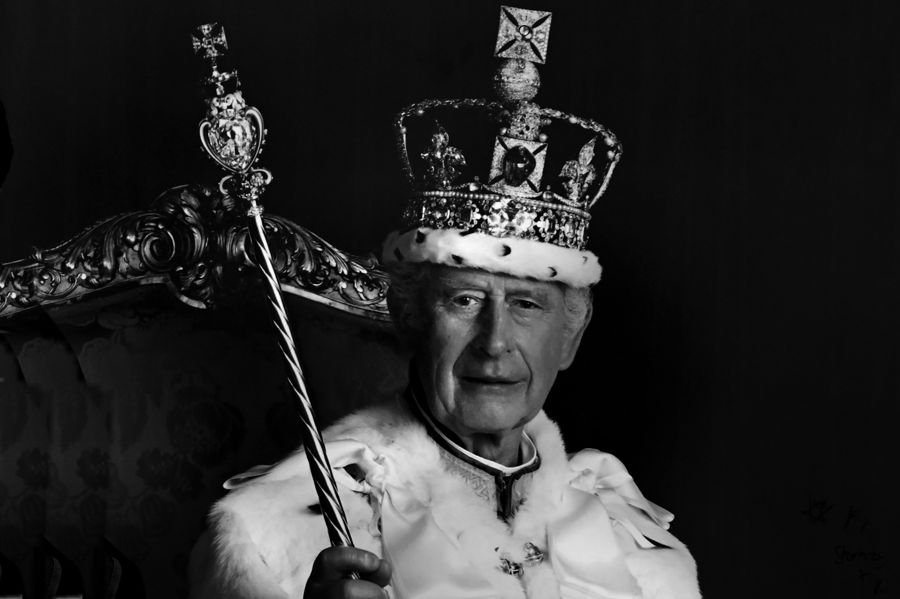
Whether or not you are a supporter of the monarchy, it's difficult to deny the fact that King Charles III has done a pretty good job of his visit to America this week. The moment the King addressed the United States Congress carried far more than ceremonial significance. It offered a masterclass in organisational culture; how it is embodied, communicated, and sustained at the highest level.
Whilst the King is not a democratically elected leader, he remains the Head of State and, in many respects, the living symbol of the United Kingdom’s identity. In a business context, he can be likened to the CEO of “United Kingdom Limited”: not responsible for day-to-day strategy, but absolutely central in shaping tone, values, and behavioural expectations.
Culture, in any organisation, flows from the top. Leaders may not always realise it, but their actions, language, and presence are constantly observed, interpreted, and replicated. The King’s demeanour during his visit, measured, composed, and purposeful, demonstrates how leadership presence alone can reinforce cultural standards. He did not need to instruct people how to behave; he showed them.
What stood out most in his congressional speech was not just what was said, but how it was delivered. Every paragraph, sentence, and word appeared meticulously honed and crafted. This level of precision is directly comparable to effective organisational communication. Messages around vision, values, and expectations cannot be vague or improvised. They must be deliberate, aligned, and refined to ensure clarity and impact. In business, poorly articulated communication leads to misalignment. On the other hand, carefully considered messaging drives cohesion and shared purpose.
Equally important was the actual delivery. The timing, tone, and cadence gave the King’s words gravity and resonance. He demonstrated that communication is as much about the experience as the message. Leaders who rush communications, get lost in detail, or fail to engage emotionally often undermine their own intent.
By contrast, the King used pacing and emphasis to ensure that each point landed effectively. Even moments of humour were strategically placed, adding warmth while subtly reinforcing deeper diplomatic messages. This balance is critical as culture cannot be built simply through rigid instruction; but through human, relatable interaction that people can connect with.
This highlights a fundamental point about organisational culture: it is not defined by policies or posters, but by behaviours, which must start at the top. Culture is the embodiment of values, beliefs, and behaviours, and leaders are at the very heart of both its strengths and its challenges.
A leadership style lacking empathy, transparency, or trust can quickly lead to disengagement, reduced productivity, and increased attrition. Conversely, leaders who communicate clearly, recognise contributions, and demonstrate accountability create environments where people feel valued and motivated.
Expecting high standards but failing to model them, the “do as I say, not as I do” approach, will only create conflict and disengagement. The King’s example reinforces the opposite approach. His conduct aligns with the values he represents, and that consistency is precisely what gives his role legitimacy and influence.
However, building a positive culture is not a one-off initiative. It requires continuous self-reflection, engagement, and adaptation. We must be willing to acknowledge and address our own shortcomings graciously, and respond constructively. This is not an exercise in self-criticism, but in leadership maturity. The willingness to evolve is what differentiates high-performing organisations from stagnant ones.
There is no single formula for creating a thriving culture. It demands active listening, genuine engagement with employees’ aspirations and challenges, and a structured approach to embedding change. Much like the King’s speech, it requires preparation, intentionality, and consistency over time.
If you are serious about strengthening your organisational culture, the first step is honest reflection, followed by informed action. At HR Champions, we cannot change your culture for you, but we specialise in equipping leaders with the tools, behaviours, and strategies needed to build cultures of growth, respect, and performance.
Get in touch today and start shaping a culture that your people will believe in, contribute to, and be proud to represent. Call us on 01452 331331, or complete the contact form.